




Skip to the questions

Reader-run reference on Whalebuy. Not Whalebuy's website, and not connected to the company that runs it.

SpreadsheetQuestion Map

Sixteen aisles, and the gaps in a product card

A browsing catalogue of live marketplace listings. Open an aisle, copy a link, hand it to an agent. The notes underneath are the ones that save money later.

The catalogue

Sixteen aisles you can open from here

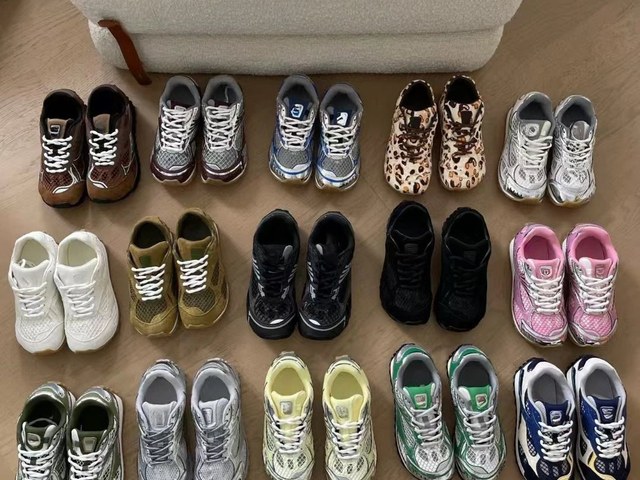
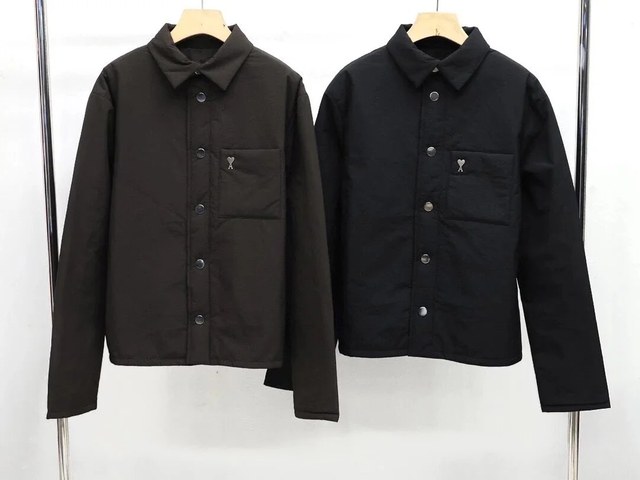
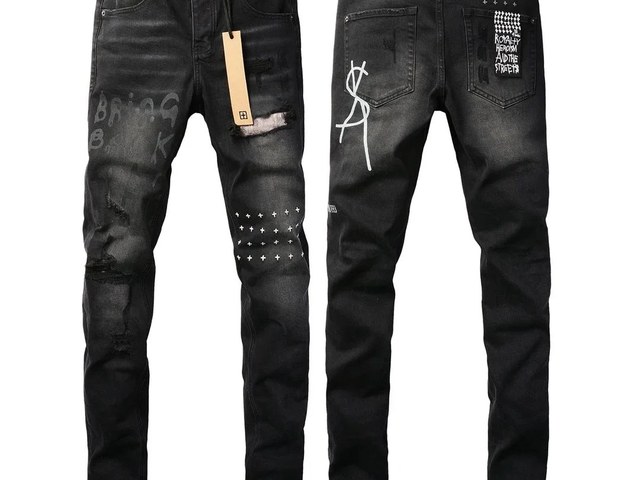
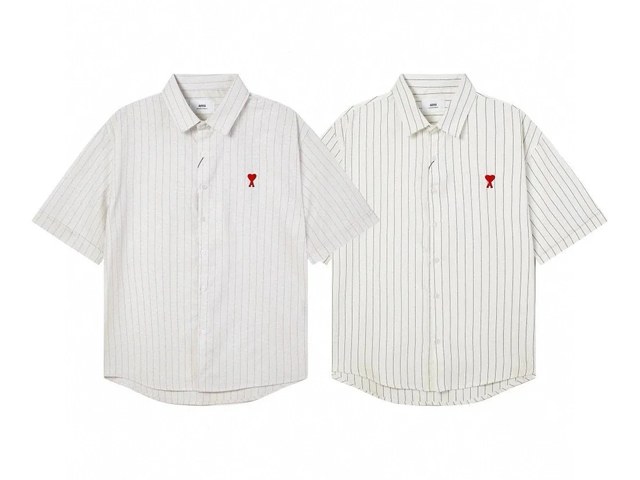
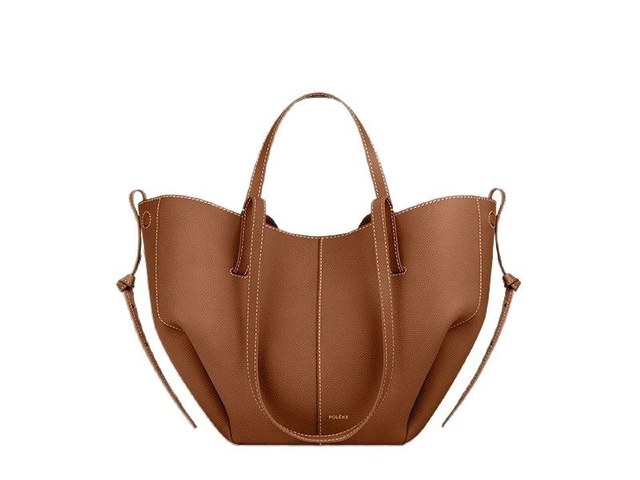
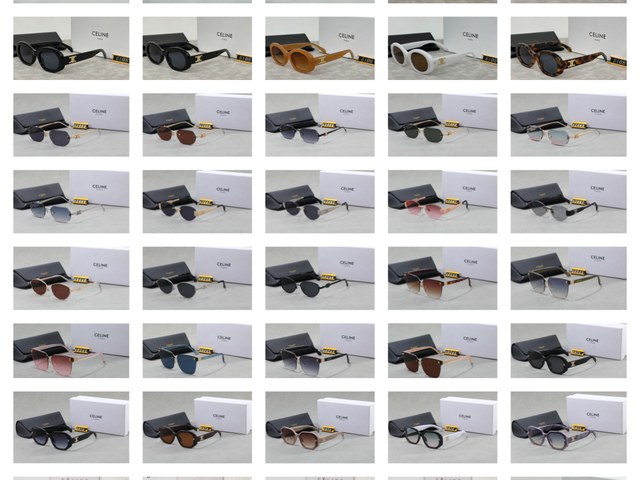
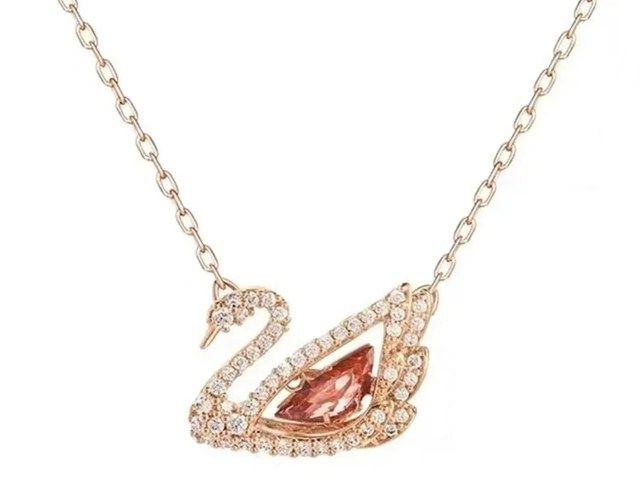
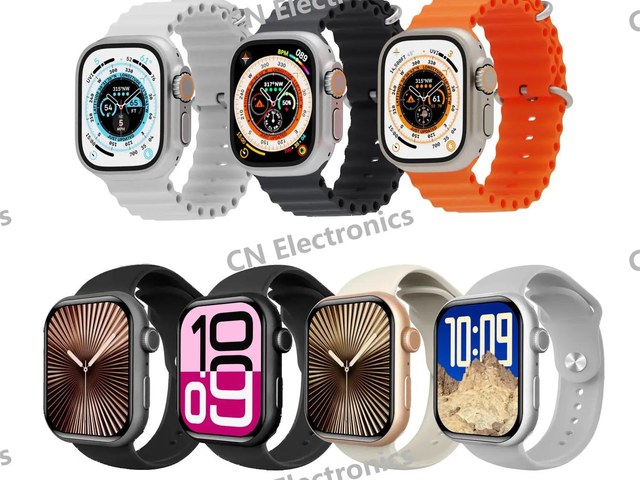
A product spreadsheet in this corner of the internet is a browsing catalogue: cards with photographs, prices and a link out to the marketplace listing. It is not a document, there is nothing to download, and there are no tabs along the bottom. The sixteen aisles below cover the categories buyers actually open; womenswear is a keyword result rather than a filed aisle, because the catalogue files clothing by garment rather than by who wears it.

Official category icon strip from the agent's homepage: mall, recommend, shoes, tops, bottoms, accessories, jewellery, electronics and fragrance
The agent's own category strip, captured 21 October 2026. Its nine headings map loosely onto the sixteen aisles above; fragrance and electronics are the two that behave differently once a parcel is built.
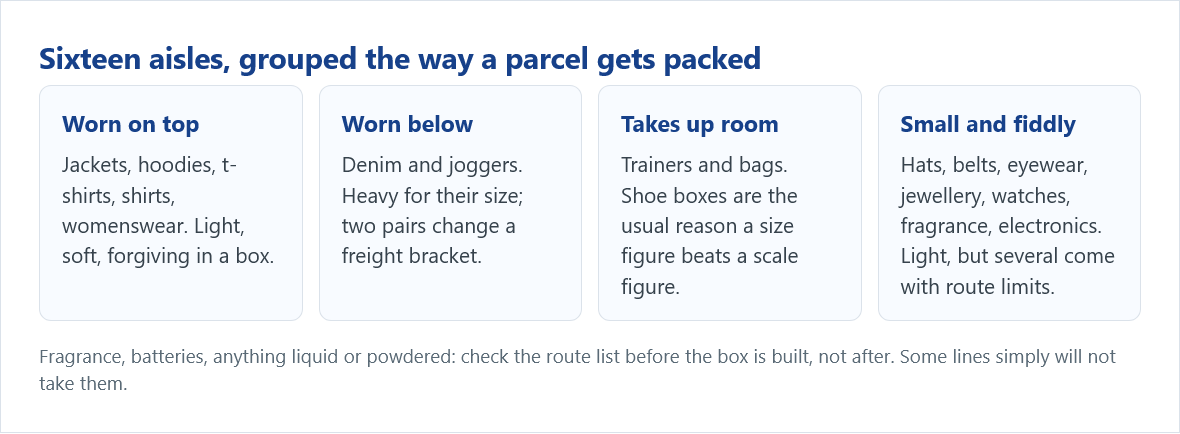
Four grouped boxes: worn on top, worn below, takes up room, small and fiddly
The same sixteen aisles grouped by how they behave inside a box rather than by what they are.

The catalogue

What to verify on a card before pasting its link

Every card is a window onto somebody else's listing. The photograph belongs to the seller, the price is the seller's price at the moment the catalogue last looked, and the description is whatever the seller typed. None of that is checked by anyone before it reaches you.

  • The headline price is often the floor. On a listing with several options, the figure on the card is frequently the cheapest one in the menu. Open the listing and price the option you actually want.
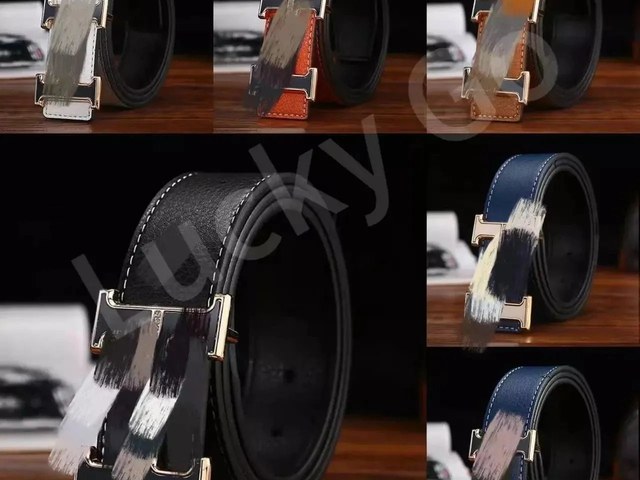
  • A shelf can be mixed. Categories drift. A belt aisle will hold a wallet, a fragrance aisle will hold a gift box, and a few cards share one cover photograph across several entries.
  • Stock figures are typed, not counted. Large round inventory numbers are seller-entered values. Whalebuy's own help page on the subject says plainly that stock shown online may not survive contact with the seller.
  • Pictures on the picture. Plenty of sellers print sizing charts, batch codes or contact numbers straight onto the product photograph. Read them; they are often the only measurements you will get.

Is a product spreadsheet a file I have to download?

Posted rule

Whalebuy's own search terms notice frames the catalogue side of the business as an information service: it lists products that live on third-party marketplaces, and says the company does not authenticate or grade what those sellers publish.

Read on Whalebuy's Search Terms page, 21 and 22 October 2026.

In practice

Treat a spreadsheet of this kind as a shop window with links underneath. You browse, you copy a link, you hand the link to an agent. Nothing is downloaded and nothing is stored on your machine.

Misread as

People expect a document with columns and go looking for an export button. There is none, and a site offering you one is selling you somebody's scraped list rather than a live catalogue.

The catalogue

Why bother with a reference site at all

The catalogue tells you what exists. It does not tell you that a ninety-centimetre side forces a parcel of its own, that fragrance is refused by several routes, or that your swap window closes a hundred and twenty hours after a status word changes. Those live in a help centre with two hundred and seven entries, filed by the people who wrote them rather than by the people who need them.

Reference sites in this corner of the internet go stale quietly: dead links to listings that were pulled, fee figures copied years ago, windows that moved. What makes this spreadsheet guide worth a visit is not that it is bigger, it is that every claim is dated and the aisle list is re-checked whenever the catalogue moves under it.

What this site adds is ordering and dating. Every claim carries the page it came from and the day it was read, and where two of the company's own pages disagree, both are printed. That is the whole service: no account, no login, no ability to touch your order, and no reason to trust us further than the sources we name.

If a figure here looks stale, the company's page wins. Send the correction and the page it belongs on to the address in the footer and it gets fixed with a dated note on the notices page.

Next: an opening order, walked through end to end.